About Ryan Graves, RN
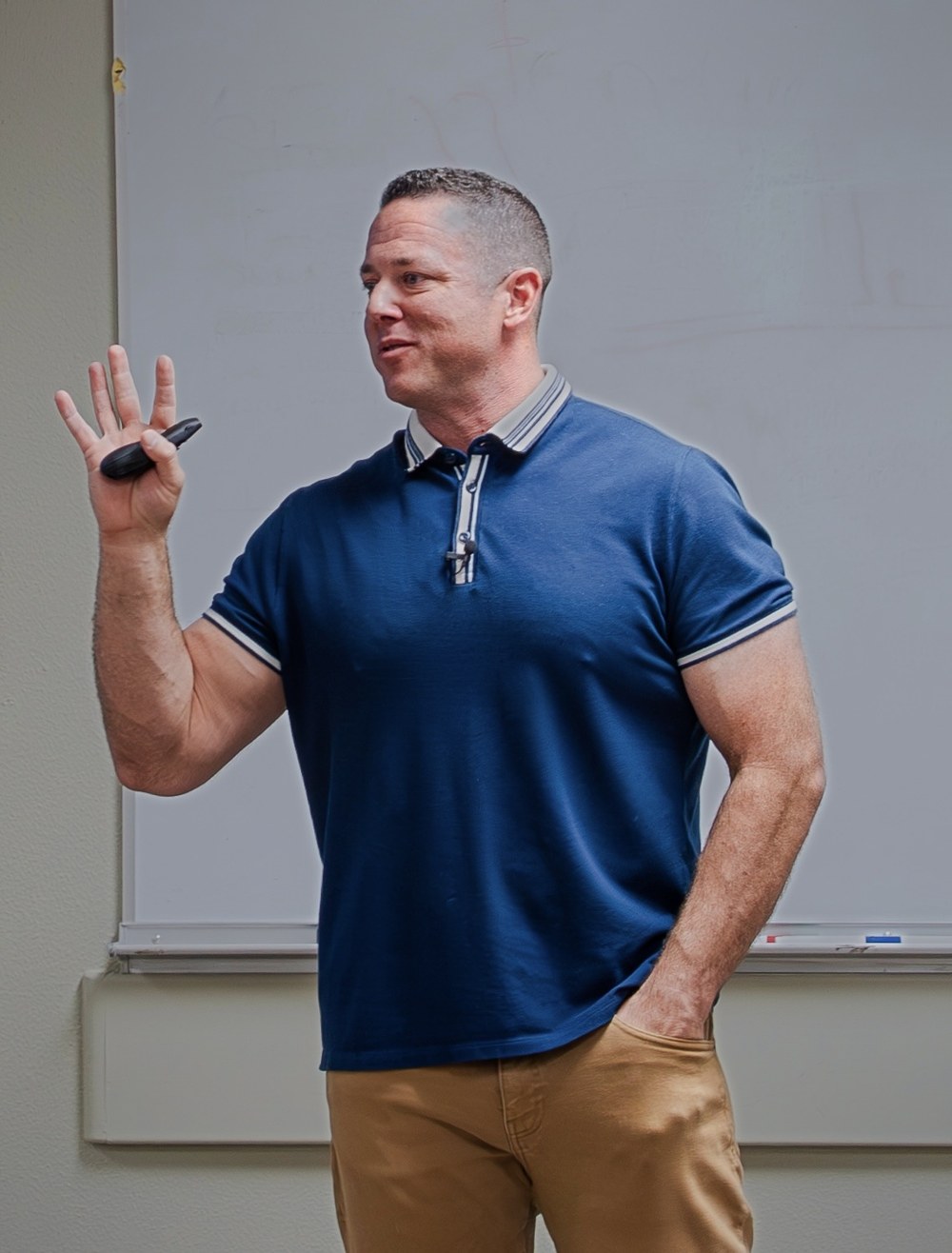
I'm Ryan Graves, Director of Patient Experience at United Regional Health Care System in Wichita Falls, Texas — a 2,500-person Level II Acute Care Trauma Center where I oversee patient satisfaction, culture, and clinical communication across all departments. But my foundation is bedside: I'm a registered nurse with 20 years of nursing experience, and I've spent those two decades watching brilliant clinicians struggle with one thing that isn't taught in school — how to make patients feel heard, respected, and cared for.
Here's what I know from the front lines: The gap between clinical competence and patient experience isn't about knowledge. Your physicians know medicine. Your nurses know their craft. The gap is communication. Specifically, it's the absence of systems, frameworks, and practices that turn clinical skill into experiences patients actually remember. I have spent hundreds of hours one-on-one shadowing and coaching providers and seen them completely turn their practice around in just a few sessions — not because they became better doctors, but because they got better at connection. The data is real. The change is real. And it's repeatable.
That work — taking physicians, nurses, and leaders from frustrated to fulfilled, and from mediocre to exceptional in how they interact with patients — has become my life's work.
Why I Do This
I do this because I've seen the alternative. I've seen brilliant clinicians burn out because they felt disconnected from their patients. I've seen good organizations become great ones because someone decided communication was worth investing in. I've seen a single conversation — a patient feeling truly heard — change whether someone seeks litigation against a provider, even when a mistake was made.
And I do this for the nurses. Empowered, reinvigorated nurses are one of the biggest drivers of patient experience there is — and exhausted ones can't be. When clinicians reconnect to why they started, retention climbs, culture steadies, and patients feel the difference. Provider wellbeing isn't separate from patient experience — it's the foundation of it.
The clinical world tells you that compassion is a luxury. That efficiency, speed, and evidence-based medicine are what matter. I agree those things matter. But compassion isn't a barrier to excellence — it's the delivery mechanism for it. That's the belief that drives everything I do.
Credentials
The Human Side
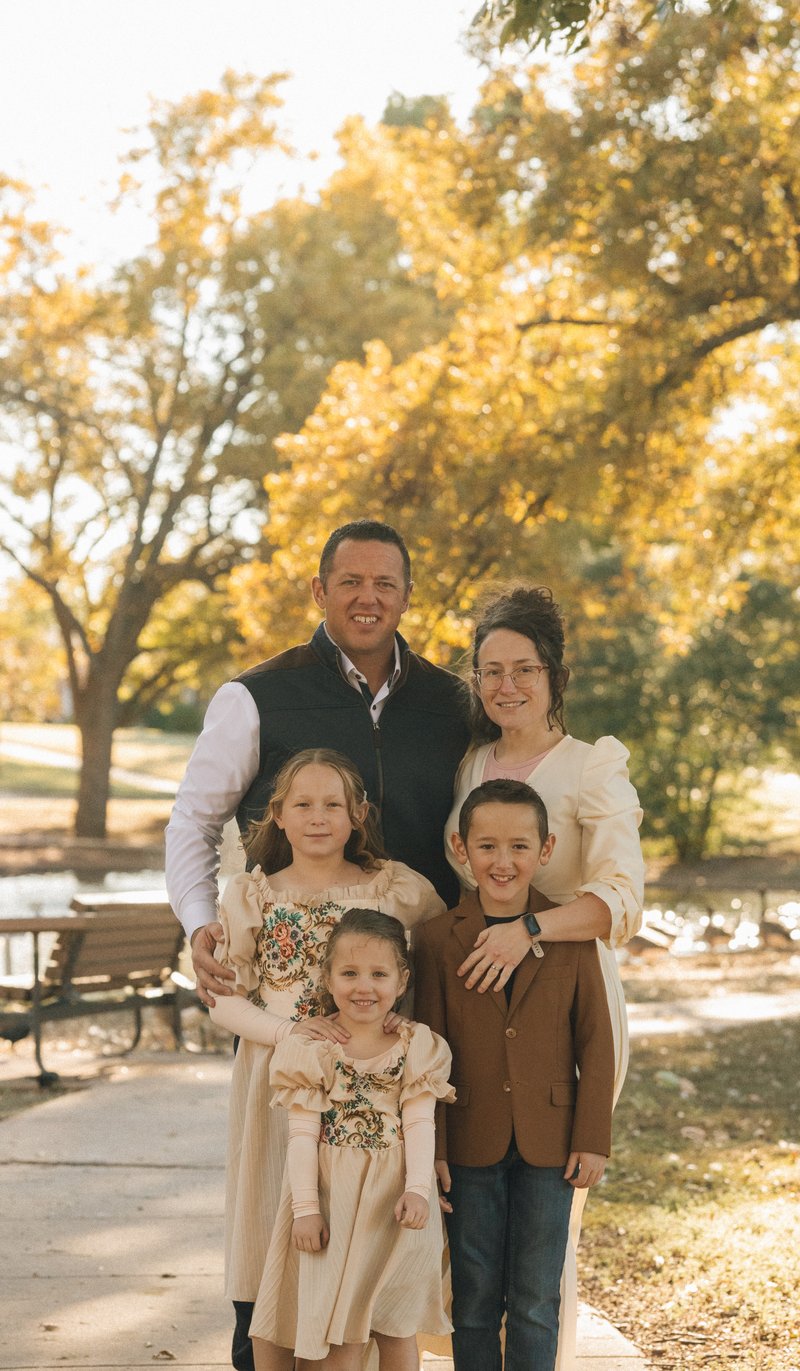
I'm a husband and father of three. I'm based in Wichita Falls, Texas, with my wife and three kids. Our family isn't a side project — it's the anchor. That's why you won't see me traveling more than once a month, and why I'm deliberate about the work I take on. I stay active in the gym, and I'm deeply invested in my faith and my church. These aren't hobbies. They're how I stay sharp, stay grounded, and stay human enough to help you stay sharp and human in your work.
"Ryan is a transformational leader who connects personally with coworkers and audiences alike. He has a bright personality and does an incredible job leading, coaching and inspiring teams to achieve superior results."